
Dzuleke is a place to leave some of the day unfilled. A village walk, a meal with your host and time among the forested hills can be enough. It suits travellers who enjoy watching and listening, and who would rather spend longer in one quiet setting than move between a string of attractions.
Come for a dedicated day from the Kohima area, or stay overnight to enjoy an unhurried evening and a morning outdoors. The most useful arrangements are simple: a host expecting you, a walk suited to your interests, meals at agreed times and a reliable journey back.
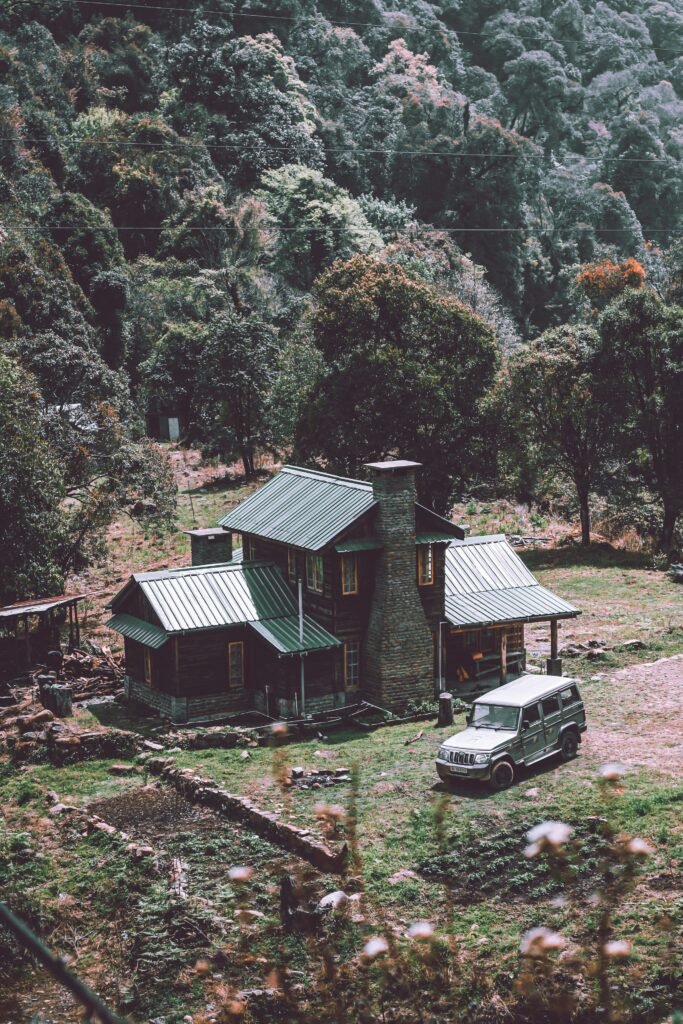
Photo: TiAchen Aier · Source · Unsplash Licence. Resized; not cropped.
Where Dzuleke fits in a Nagaland trip
Dzuleke, also written Dzüleke or Dzulekie, is an Angami village in Kohima district. Community conservation and a forested setting give it much of its appeal. Birds, butterflies and the changing light around the village offer reasons to slow down, even when you have no particular wildlife sighting in mind.
It pairs naturally with Khonoma in a wider Kohima-area journey. Give Khonoma time for village history and the farming landscape, then let Dzuleke be the quieter, nature-focused part. With only a day available, choose the village that best matches your interests rather than trying to fit a full visit to each into the same outing.
Distance figures for Dzuleke vary between published sources, and a line on a map tells little about the road journey. Use your actual starting address and the driver’s proposed route when planning. In particular, do not mistake an inter-village walking line for a convenient road transfer or an established visitor trail.
For a general outdoor visit, October to April is a useful starting window. Rain and recent road conditions still influence the journey, while a birding or specialist nature visit should follow local advice on the season. Bring a warm layer for time spent sitting outside as well as protection from rain.
What to do without over-programming the village
Begin with the village
A short orientation walk helps you settle into the place. Let your host or guide show you the public paths, where meals will be served and where the next day’s walk begins. There is more freedom to enjoy the afternoon once you know which areas are welcoming to visitors and which belong to private households.
Ask about work in the current season, gardens and the relationship between the village and its surroundings. Everyday life is enough to be interested in. There is no need to arrange ceremonial dress or a performance for a village visit to feel worthwhile.
Take a nature walk at the right pace
Tell the organiser whether you want a gentle introduction to the forest or a specialist birding session. A nature walk might suit a family who wants to stop, look and ask questions. Birders may prefer a particular guide, an earlier start and long quiet pauses in promising habitat.
Agree the route and walking surface before setting out. Damp ground, slopes and streamside sections can change the effort involved, even when the distance is short. If someone in the group needs an easy turnaround, build that into the plan rather than treating the advertised route as compulsory.
Binoculars and a small notebook can be useful companions. Record an unfamiliar call or a question for the guide without making a rare species the measure of success. Avoid playback, feeding and nest approaches. Forest wildlife is best enjoyed with the space to continue undisturbed.
Make room for doing less
Ask your host where it is appropriate to sit with a book, sketch or take landscape photographs. An arranged picnic in a suitable clearing can be a lovely part of the day. Keep food and rubbish contained, and leave crop edges and livestock routes clear.
Streams are part of Dzuleke’s attraction, but clear-looking water is not a reason to drink untreated water or assume swimming and fishing are allowed. Ask about local rules and suitable places to approach the water. For drinking, use the safe-water arrangement agreed with your host.
If a cooking or farming activity is offered, let the person hosting it explain how you can take part. Watching a task, helping under instruction and freely entering a kitchen or field are different things. A modest activity with a willing host is more enjoyable than trying to turn every part of household life into a visitor programme.
Day trip, one night or two?
A day visit works well when you want one arranged walk and lunch while keeping your Kohima room. Protect that time by limiting other stops. You will enjoy Dzuleke more if the afternoon is not spent watching the clock for the next village.
One night allows time to settle in, walk a little in the afternoon and spend the next morning outdoors before leaving. It is a good choice for travellers who want a quiet evening or an early birding start. Make sure the morning guide is part of the booking, rather than assuming a room reservation includes activities.
Two nights suit people who genuinely enjoy the pace: a longer nature outing, a second gentle walk, and time to read or simply rest. They also leave more room to adjust around the weather. Bring something you enjoy doing quietly rather than expecting scheduled entertainment.
If your trip requires dependable video calls, extensive restaurant choice or a departure that can be improvised at any hour, discuss those needs before committing. A well-arranged day visit may be the better fit. Choosing the right length of stay matters more than staying longer for its own sake.
How to enquire about a homestay
The destination website Dzuleke.com currently invites enquiries at contact@dzuleke.com while a fuller homestay and campsite guide is being prepared. Use it as an enquiry lead and establish the name of the household that will host you before making a payment.
A first message can cover your dates, group size, rooms needed and whether you would like meals, guiding and pickup. Mention children’s ages where useful, along with dietary requirements and walking limitations. A written answer identifying the accommodation, total price and payment terms gives both sides a clear arrangement.
There is a documented local example in Sotuno Homestay. A June 2026 Tata Trusts profile describes Sotuno Meyase and Letso running the business since 2014 with support and hospitality training from the North East Initiative Development Agency, or NEIDA. The account shows how visitor income has helped with household costs and education. It is a useful introduction to the village’s homestay economy, rather than a room review or an availability promise.
For any stay, ask about the bathroom, bedding, hot water and the walk from the vehicle. If you need a powered device, discuss charging and backup arrangements specifically. Connectivity deserves the same precision: receiving a short message is a different requirement from working online throughout the day.
Tell the host when you expect to arrive and agree how a delay will be communicated. Household meals take preparation, and a small village stay may not have someone waiting at a reception desk throughout the night.
A relaxed overnight plan
Arrive with enough daylight to settle in and find your bearings. If lunch is needed, arrange it beforehand rather than assuming you can find a restaurant on arrival. Leave the first substantial walk loose enough that a slower road journey does not spoil the afternoon.
After settling into the room, take a short orientation walk and meet the person guiding you the next morning. Discuss what the weather and the group’s energy make sensible. Return in time for the meal you have agreed, and leave the evening open for conversation or a quiet rest.
Use the next morning for your main outing. A gentle nature walk and a specialist birding session need different pacing, so follow the plan you made with the guide. If conditions are unsuitable, a shorter local outing or time with the host is a perfectly good alternative to forcing a forest walk.
Allow time afterwards for breakfast or another agreed meal, packing and settling extras. Have your return driver meet you at a clear point. If you plan to continue through Khonoma or another village, arrange that route and any meal stops in advance, including what happens to your luggage while you walk.
Transport: book the return as carefully as the arrival
Dzuleke is a road destination. A locally experienced driver can advise on the current approach, surface and suitable vehicle from your starting point. Ask for a realistic door-to-door estimate, with time for any planned stop, rather than relying on a single duration copied from a travel page.
For a day trip, a waiting vehicle makes the return straightforward and leaves some flexibility if the walk ends early. Separate drop-off and collection may also work, provided the pickup is firmly arranged. Compare the full cost, including waiting, empty return journeys or an overnight allowance for the driver.
For a village overnight, agree who will coordinate collection if phone contact is weak. Save the driver’s number and meeting details offline, and choose a place both sides can identify. Hitchhiking or walking the road is not a dependable substitute for a confirmed return.
Keep a generous buffer before any onward flight or train. If the connection is important, return to your onward-travel base the previous day. That protects both the connection and the relaxed pace that made Dzuleke appealing in the first place.
Meals and a transparent budget
Ask your host what they would like to cook and what is available in the season. Rice, vegetables and meat or other accompaniments can be discussed around your preferences. A dish mentioned in an older article, whether crab, fish or a particular rice variety, should be a question for the host rather than an expectation.
Explain dietary needs clearly. For a vegetarian meal, ask about stock and cooking fat as well as visible meat; for allergies, discuss ingredients and preparation in detail and bring suitable backup food for essential needs. Give the household time to plan rather than raising these questions when a meal is already cooking.
There is no verified village-wide homestay tariff to quote here. Obtain a price for the named accommodation and your dates, then compare the same room occupancy and meal count. Include guiding, community charges and the complete transport arrangement, not simply the room price.
Shared transport can lower the cost per person: if the vehicle charge stays the same, four passengers split it into smaller shares than two. Meals and rooms do not necessarily fall in the same proportion. A quote showing each unit makes that clear and helps you decide where sharing genuinely saves money.
Keep a reserve for a changed transfer or delayed departure. Ask which payment method the host accepts and carry a workable alternative, rather than relying on a connection-dependent payment at the last moment.
Packing and being an easy guest
Bring shoes with a useful grip, dry socks, rain protection and a warm layer. A torch and charged power bank are sensible additions for an overnight. Carry necessary medication and raise any essential facility or medical-access requirement before confirming the stay.
A refillable bottle is useful when you have agreed a safe drinking-water source. Keep a bag for carrying your litter back, including snack wrappers and small items that are easily forgotten after a picnic. Leave plants, stream life and other wildlife where they are; give large animals plenty of space rather than approaching for a photograph.
Ask before photographing residents or the inside of a home. Keep music quiet and leave drones unused unless all relevant permissions and local consent have been obtained. Following meal times and household routines helps the stay feel comfortable for everyone.
Frequently asked questions
Is Dzuleke the same place as Khonoma?
No. They are separate villages. If both appear in a package, ask how much time is allowed in each and which activities have actually been arranged.
Can I turn up and find a room?
Book a host and meals ahead. Small-scale village accommodation is better planned around an expected arrival than a search for a spare room late in the day.
Can I camp anywhere?
No. Ask about a specific authorised site, its toilet and water arrangements, cooking rules and waste removal. A general mention of camping does not establish permission to use a piece of land.
Is a day trip worthwhile?
Yes. One good walk, a meal and unhurried time in the village can make a satisfying day without an overnight stay.
Sources and further reading
Research checked 28 October 2026. Confirm date-specific opening and booking arrangements with the relevant host or custodian.